

Categories
Uncategorized

Get your Practice Ready for 2026 with a Strategic Outsourcing Solution

Accountants across the UK are working through the most challenging and transformative period of recent years. Between regulatory reform, client expectations, and ongoing recruitment challenges, accountants are reassessing how they operate. For many accountants, strategic outsourcing has become a critical tool for protecting margins, improving service delivery, and future-proofing their Practice.

2026: A Challenging Landscape for Accountants

A number of challenges are shaping the operational plans of accountants across the UK for 2026 and beyond.

Rising compliance burden

The implementation of Making Tax Digital for Income Tax from April 2026 means many accountants need to introduce new ways of working for affected clients. The shift to digital record keeping requires additional resources to deliver systematic bookkeeping, accounting and tax services for clients who previously had no need for regular contact.
The UK audit landscape is also changing, with an increased focus on audit quality, underpinned by revisions to International Auditing Standards. Audit Firms must be even more vigilant about the assignments they take on and the expertise of auditors to deliver compliant work.
Anti-Money Laundering (AML) arrangements will also undergo significant changes in 2026, with updates to existing AML regulations and the UK Corporate Transparency Act requiring additional checks and record keeping.
With an increasing regulatory burden, accountants need suitably qualified resources, more efficient systems, and robust quality processes to navigate these changes.

Continuing talent shortages

For many UK accountants, the current recruitment market is both costly and time-consuming. Many firms cannot scale their teams fast enough to meet client demand, especially during peak periods such as year-end accounts preparation or personal tax season. With increased competition for skilled professionals, more accountants are turning to outsourcing as a strategic solution. By working with offshore partners, UK accountants can access experienced professionals without the overheads of a full-time appointment.

Increased price sensitivity among clients

Small and medium-sized businesses expect fixed fees, digital-first service, and faster turnaround times. Accountants unable to deliver efficiently risk losing clients or reduced profitability. Using an offshore accountant means prices can be fixed for the duration of a contract, allowing accountants to offer monthly subscription models and guaranteed service levels to clients. The onshore team can spend more time with the most complex clients, understanding client needs, building long-term relationships, and offering additional services.

Technology acceleration

AI-driven automation, cloud accounting, and workflow platforms are reshaping the way services are delivered. Accountants need time, capacity, and specialist support to adopt new technology effectively.
Systems and processes to complete work offshore are highly efficient with rapid turnaround times. The best outsource partner can prepare records and transfer data in real-time using cloud accounting software, increasing confidence in the accuracy of financial reporting. By outsourcing, accountants can access the latest technology for bookkeeping, financial reporting, and payroll without paying for licences, updates, or IT support.

Why Strategic Outsourcing Is Essential

Outsourcing has evolved significantly over the last decade. Accountants no longer confine outsourced work to recurring, transactional work and require a more collaborative, dynamic model. When implemented effectively, outsourcing delivers positive outcomes.

Reliable and scalable capacity

Scaling a practice up or down takes time when services are delivered by full-time staff. Investment in technologies such as AI, cloud accounting and automation of tasks means accountants can scale and grow without taking on the additional risk and costs of direct employment. Where a Practice is looking to downsize, contracts with an outsourced supplier can be terminated in a matter of weeks and in a structured way. There is no need to implement redundancy processes or statutory consultation with employees.
Accountants can also choose to access offshore capacity as and when they need it by using a pay as you go service. This maximises the flexibility to use an offshore option at peak periods or where a backlog of work needs to be cleared. This flexibility enables practices to grow without the long-term cost and risk of extra headcount.

Improved profitability

With the additional capacity outsourcing brings, accountants can focus on core business objectives, whether that involves increasing client numbers or offering a wider range of services to existing clients. Accountants find that outsourcing recurring tasks such as bookkeeping, payroll or accounts preparation frees up time to help clients and understand their business needs, offering scope to deliver high margin advisory services when clients need them most.

Quality and compliance

UK tax and accounting compliance can be complex and is constantly changing. Outsourced professionals understand UK Company Tax and Personal Tax rules and the requirements of HMRC and Companies House. Helping clients stay on top of their responsibilities to file information in line with statutory deadlines ensures fines and penalties are avoided.

Greater operational flexibility

Offshore suppliers can help fill roles across all types of accounting work. Accountants have flexibility to commission resources when they need them on an ad-hoc (pay as you go), half time equivalent or full-time equivalent basis. There is no need to enter into a long-term contract, and the risks of overstaffing are avoided.
As accountants shift priorities towards advisory work, clients expect deeper insights, not just compliance. Outsourcing recurring tasks gives accountants more time to focus on client relationships, strategic advice, and business development.

Preparing for 2026: Essential Steps for Accountants Looking to Outsource

For accountants ready to strengthen their operational strategy for 2026, here are some basic steps to take.

Define clear objectives and research the outsourcing market

Many accountants begin outsourcing work with the single objective of reducing costs. However, outsourcing work also helps build strategic capacity, enables access to specialised skills and professionals, improves service delivery, and strengthens resilience to regulatory changes. Aligning potential offshore partners to onshore priorities, will help accountants make the most of a new outsourcing partnership.
Before entering into any outsourcing agreement, accountants need to research the market, check industry reputations, and track records, obtain client testimonials, and understand the scope of services offered offshore.

Start small and measure progress

Accountants can test the outsourcing process with a small amount of work, such as digital bookkeeping, VAT return preparation, or year-end accounts preparation. Outcomes can be evaluated for quality, technical accuracy, and turnaround against performance consistent with in-house targets. Many offshore suppliers, including Unison Globus, offer a free-trial period, where accountants can test the service before entering into a contract. Accountants can also choose to access offshore capacity as and when they need it by using a pay as you go service. This maximises the flexibility to use an offshore option at peak periods or when an unexpected backlog of work occurs.

Review data security arrangements

There are many ways to share data securely with an offshore accountant – whether through a secure file transfer protocol server, by granting remote access to your server, or sharing files via cloud systems. Regardless of arrangements, the onshore accountant needs to be confident in the offshore IT and physical safeguards, such as anti-virus software, secure VPN connections and 24/7 surveillance.

Assess capacity gaps

During busy seasons, the volume of client work can change quickly. From processing periodic payrolls and tax returns to management reporting and statutory filings, deadlines can quickly converge at key points in the accounting year.

Outsourcing offers a scalable, flexible solution that allows accountants to quickly increase capacity without the overheads and administrative burden of temporary appointments. Outsourcing work enables accountants to stay agile, efficient, and competitive throughout the year.

Map tasks suitable for outsourcing

Most end-to-end accounting tasks – such as digital bookkeeping, VAT returns, year-end accounts, company tax, and personal tax – can be outsourced to trusted providers. Thanks to cloud accounting and digital systems, outsourced teams can seamlessly integrate into daily workflows with minimal disruption.

Strengthen technology

Technology such as Artificial Intelligence, automation, and cloud accounting is helping firms to streamline some processes. But clients still expect personal service, timely advice, and proactive financial insight.
Systems and processes to complete work offshore are highly efficient with rapid turnaround times. The best outsource partner can prepare records and transfer data in real-time using cloud accounting software, increasing confidence in the accuracy of financial reporting. By outsourcing, accountants can access the latest technology for bookkeeping, financial reporting, and payroll without paying for licences, updates, or IT support.

Choose a partner to integrate seamlessly with the onshore team

Choosing between outsourcing and building an in-house team is a key strategic decision for accountants. With rising costs, and the need for real-time information, the right choice can make the difference between a Practice that struggles to keep up and one that runs efficiently and profitably.
For many accountants, the optimal model involves using in-house resources to focus on business growth while outsourcing recurring and deadline driven work. Outsourcing reduces costs, increases flexibility, and allows accountants to focus on growth and remaining resilient to competition.

Conclusion

As the accounting profession prepares for 2026, firms can no longer rely on traditional staffing models alone. The pressures of regulation, changing technology, and client expectations demand a more flexible, scalable, and cost-effective operational strategy.

Outsourcing work means accountants have the capacity to deliver high-quality work, strengthen profitability, and remain competitive in a rapidly changing landscape.

With the right outsourcing partner in place, accountants can deliver their 2026 objectives with confidence.

How do I find out more?

At Unison Globus, we have been providing offshore services to accountants since 2006. Our customers include sole proprietors, as well as small and medium sized UK Accountancy Practices. Our outsourced tax, accounting and payroll services are suitable for all client engagements – from sole traders and micro businesses to SMEs and large companies.

We provide a free trial of up to 10 hours of accountant time, with turnaround in 72 hours. If you’re looking to outsource services for the first time, increase margins, and help your clients thrive, you can book a video call with one of our expert advisors or email us at [email protected]
Categories
Uncategorized

Use Outsourcing to Transform your Accountancy Practice

Change management, or ‘transformation’, is high on the list of priorities for most UK accountants. Investment in modern technologies such as cloud accounting software and the automation of recurring tasks is increasing. Developments in Artificial Intelligence are helping accountants look critically at the way they work with clients while ensuring they remain available to provide personal, expert advice when needed. Modern technologies can now support different models of service delivery, and this includes outsourcing work to an offshore provider such as Unison Globus UK.
This guide aims to help accountants review the way accounting services are delivered and highlight the benefits of outsourcing work to deliver transformation plans.

Transforming the way services are provided

While accountants have invested heavily in modern technologies, many fail to review the way services are provided to secure the best possible outcomes for profitability and growth. The automation of tasks and embedding of cloud-based software provide wide scope for transforming the way services are delivered. The ‘digitisation’ of accounting records means there is no need for accountants to attend a traditional office space – information can be accessed from anywhere in the World using an internet connection.
In terms of the services an accountant may outsource, the work does not need to be confined to transactional areas such as bookkeeping or payroll. The outsourced accountant can support the onboarding of clients and provide continuous feedback on the services a client might need, such as tax or specialist advice. The outsourced accountant can help Practices look forward and assist with the real-time reporting needs of clients.
The outsourcing of compliance work helps accountants manage short term pressures such as peaks or backlogs of work. This can be at the individual accountant level, when capacity is most stretched at key points in the accounting cycle, or to help drive sustainable growth in new client numbers and services. Outsourcing work helps accountants provide professional support and expert advice their clients need without increasing the permanent establishment of the Practice.
Practices are increasingly including the outsourcing of work in their plans for client growth, recognising the market for qualified accountants, and other finance professionals, is challenging. Smaller Practices can struggle to find the resources they need and are most at risk of losing accountants to larger competitors. Using an outsource supplier helps level the playing field for smaller Practices, helps stabilise capacity and improves service delivery.

Meeting customer needs

Many accountants aim to scale their business quickly through growth in new client numbers. The onboarding of new clients can be resource intensive with the additional pressure to make the best possible first impression and contact. Outsourcing can handle many of the administrative tasks involved in taking on new clients, such as registering information with HMRC and Companies House and submitting required documentation. Outsourcing such work creates the capacity for in-house accountants to understand the needs of new clients. Expensive mistakes can be avoided where a client is unsuitable or where expectations about the services to be delivered for the agreed fee differ significantly.
When onboarding is complete, automating communications with customers as work is delivered improves turnaround times. The outsourced accountant can manage the flow of communication with a client for the work they are responsible for, enabling the UK accountant to focus on adding value to the client relationship.
Many potential clients now contact accountants via websites or using App technology. Some accountants employ customer service professionals to deal with non-accountancy related tasks. Every interaction with a client can be measured and evaluated and new ways of providing information to clients can be explored. Some accountants are successfully using ChatGPT to respond to questions from clients. Others are using automated messaging to progress work.
The best outsourced suppliers will adapt to the changing demands of UK accountants and their clients. To evidence improvement, real time data can be used about every task the outsourced supplier completes and compared to the equivalent in-house performance.
Advances in cloud-based accounting software, and the increase in entrants to the UK accounting market offering Software as a Service (SaaS) solution, mean many businesses are comfortable maintaining their own accounting records, requiring the support of an accountant only at key points in the accounting period. This can lead to significant peaks and backlogs of work where a high number of clients have the same year end or need personal tax services in the lead up to HMRC deadlines. While accountants seek to increase the number of such clients through competitive pricing, they often overlook opportunities to provide professional insight and data. By outsourcing tasks such as the preparation of VAT returns or year-end accounts, accountants can create additional capacity for more direct contact which adds value to the client relationship. The right outsource provider can enhance these contacts through the provision of services with improved turnaround times and higher quality.

Using outsourcing to add value

The reputation of accountants is based on a track record of delivering quality work on time which meets professional standards. By encouraging clients to accept different, more efficient ways of delivering services, accountants will secure the maximum benefit from any transformation work. Most clients are comfortable with an outsourced supplier preparing their accounts or tax returns where the arrangements are complemented by improved communications and better outcomes in terms of quality and delivery.
Using an outsourced supplier to manage recurring communications with clients ensures consistent quality and timeliness of contact to improve the overall customer experience. Measuring such outcomes is essential to understanding the impact of transformation on each customer.

Outsourcing work can enhance organisational culture

Outsourcing work succeeds where Practice management is clear on how the arrangements will support staff and nurture the desired culture. Accountants most likely to implement outsourcing successfully are comfortable with innovation and delivery of change. Being open about the aims and benefits of outsourcing work will address any concerns individual accountants have about their role being diminished or removed completely. Outsourced partners offer a wide range of flexible options, from short-term hourly resources to full-time equivalent accountants who work as part of an on-shore team and who report directly to Practice managers. Integrating the outsourced accountants into training, team meetings and other staff updates helps build relationships and contributes to the overall culture of a Practice.
While larger Practices have used outsourcing successfully for many years, smaller Practices (and especially Sole Practitioners) often perceive multiple barriers to engaging an outsourced partner. However, the investment in modern technologies such as cloud accounting and automation of tasks means smaller Practices can introduce outsourced partners into their day-to-day operations with the minimum of disruption. This allows Practices to increase capacity and range of services to clients without taking on the additional risk and costs of direct employment. Investing time with the individuals provided by the outsourced partner will introduce Practices to new ways of working, a different mindset for delivery and more diverse teams.

Actions accountants can take to help deliver transformation plans

Our customers have shared their experience of Unison Globus UK services and highlighted some key actions any accountant considering outsourcing should take to help deliver their transformation plans. Our customers highlighted the need to:
  • Identify the long-term benefits from outsourcing work and avoid focusing too much on short term objectives such as eliminating a backlog or addressing a peak in workload
  • Set clear quality and performance measures to complement internal targets
  • Engage with staff at the earliest possible stage, highlighting the positive impact of outsourcing work for their future development and career aspirations
  • Recognise it will take time and initial investment to integrate the outsourcing partner to a Practice and achieve a successful transition
  • Ensure all internal stakeholders are engaged in the commissioning process, including non-accountants who may be involved in the working relationship
  • Encourage open discussion of any perceived barriers or misconceptions about outsourcing work
  • Assign clear ownership to maintain the relationship with the outsource partner and to manage any issues arising
  • Take the opportunity to critically review systems and processes, maximising efficiencies

How Unison Globus UK can help you deliver the transformation your practice needs

Unison Globus UK has been providing offshore services to accountants since 2006. Our customers include sole proprietors, as well as small and medium sized Practices. Our outsourced tax, accounting and payroll services are suitable for all client engagements – from sole traders and micro businesses to SMEs and large companies. We offer services paid for by the hour, half-time equivalent, or a full-time equivalent employee basis.
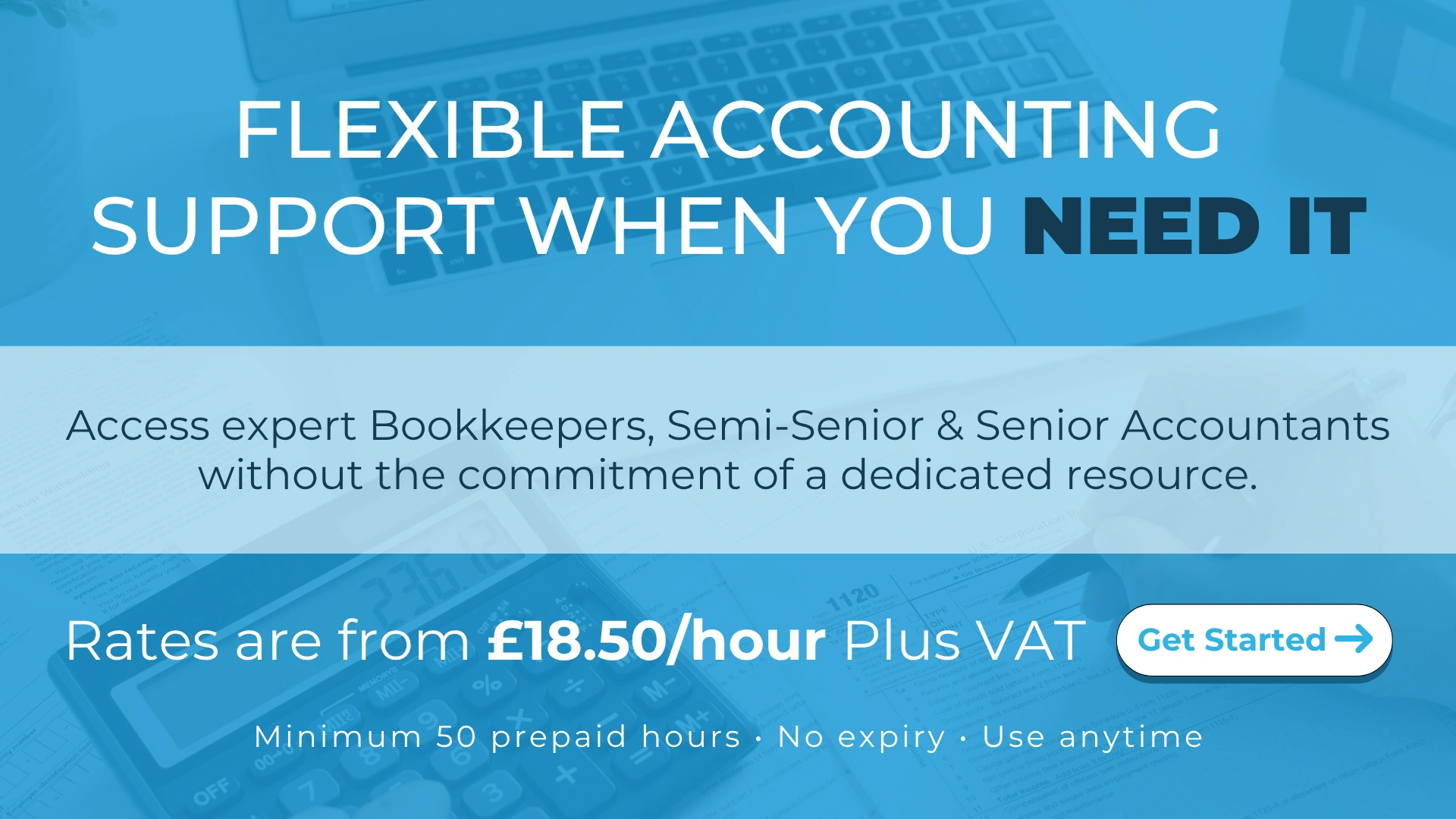
Typically, the cost of outsourcing work to Unison Globus UK is 50% less than a UK resource, securing immediate reductions in your cost base. With the additional capacity outsourcing brings, accountants can focus on core business objectives, whether that involves increasing the client base or offering a wider range of services to clients. Accountants find that outsourcing recurring tasks such as bookkeeping, payroll or accounts preparation frees up time to help clients, understand their needs and offer high margin advisory services when needed most.

Unison Globus UK services include:

  • Digital Bookkeeping
  • Year-End Accounts
  • Company Tax
  • Payroll
  • Personal Tax
  • VAT
  • Secretarial Services

How do I find out more?

We provide a free trial of up to 10 hours of accountant time, with turnaround in 72 hours. If you’re looking to outsource services for the first time, increase margins, and help your clients, you can book a video call with one of our expert advisors or email us at [email protected]