

 [gtranslate]

Summarize and analyze this article with:
- How is Making Tax Digital for Income Tax being rolled out ?
- The challenge for accountants
- How outsourcing can help
- Reducing pressure on your existing team
- Improving efficiency and consistency
- Outsourcing does not mean giving up control
- Choosing the right outsourcing partner
- A proactive approach to MTD IT
- How do I find out more about outsourcing MTD IT work?
Making Tax Digital for Income Tax (MTD IT) represents a significant change for many self-employed individuals and landlords. With further changes bringing more businesses into scope in 2027 and 2028, accountants and tax advisers find the real challenge is not understanding the new rules, it’s making sure clients are prepared and the required services and delivery processes are working effectively.
For accountants facing increasing workloads, outsourcing provides a practical way to deliver MTD IT without increasing pressure on already stretched teams.
How is Making Tax Digital for Income Tax being rolled out ?
MTD IT finally landed in April 2026, with the first digital submissions being made by HMRCs deadline of 7 August 2026. More small businesses will be affected as the income threshold for entry to the regime reduces from £50,000 in 2026, to £30,000 in 2027 and finally £20,000 in April 2028.
All affected taxpayers must keep digital records and use compatible software to send a summary of income and expenses to HMRC each quarter, with a final declaration of all income and allowances sent to HMRC by 31 January after the end of the tax year.
For accountants and tax advisers, this creates additional work. Client records need to be reviewed, digital systems introduced, processes updated and clients supported as they take on new record keeping responsibilities.
The challenge for accountants
- Identify those affected by MTD IT and the timing of entry to the regime
- Arrange for clients to sign up for MTD and create an Agent Services Account to act as their representative
- Review the way records are currently kept for completeness and accuracy
- Move clients to digital record-keeping software supported by professional accounting and bookkeeping services.
- Keep digital records up to date using structured digital bookkeeping solutions.
- Prepare summaries of income and expenses each quarter and submit to HMRC
- Contact clients throughout the tax year about their responsibilities
- Monitor the overall tax position of affected clients to avoid any surprises at tax year-end
- Provide ongoing support to clients in person or using digital technology.
How outsourcing can help
Outsourcing specific MTD IT tasks creates additional capacity without increasing permanent headcount. An experienced outsourcing partner can support accountants through routine, time-consuming tasks while the onshore team retains responsibility for client relationships, technical decisions, and final review of work.
Outsourced accountants can easily complete monthly bookkeeping, data collection, income and expense reconciliations, quarterly summaries, and other administrative tasks. The onshore accountant can then review the work before submission to HMRC.
This creates a model with clearly defined responsibilities that can be scaled easily as demand increases as more businesses are required to comply with MTD IT by 2028.
Reducing pressure on your existing team
One of the biggest advantages of outsourcing is capacity.
Rather than asking qualified accountants to spend time on routine data collection and processing tasks, firms can delegate tasks to an outsourced team. This allows the onshore team to concentrate on areas where their expertise adds greater value and builds the client relationship.
Starting early with an outsourced solution gives firms time to identify problem clients, improve record keeping and establish consistent processes before HMRC submission deadlines become critical.
Improving efficiency and consistency
- Collecting client data
- Updating software and reconciling transactions
- Identifying errors and omissions in client data
- Preparing digital records
- Carrying out quality checks
- Escalating technical or client queries
- Completing the final review of data before submission.
| Task | Completed by |
|---|---|
| Monthly data collection and bookkeeping – any software | Outsourced bookkeeper |
| Update HMRC compatible software quarterly | Outsourced bookkeeper |
| File summary information each quarter using HMRC compatible software | Outsourced accountant |
| Prepare summary annual accounts and final declaration | Outsourced accountant |
| File final declaration | Onshore accountant |
Our model recognises the different needs and complexity of MTD IT clients. Some clients are comfortable maintaining digital records and can self-serve. These clients may only require support at the end of the tax year to prepare accounts and a final declaration and related self-assessment tax return requirements. Others may need monthly bookkeeping, quarterly HMRC submissions, and end of year processes to ensure compliance.
Outsourcing does not mean giving up control
Some accountants are understandably cautious about outsourcing tax-related work. The key is to outsource tasks while maintaining oversight of work and progress towards agreed turnaround times. To do this, accountants should establish lines of communication with the offshore team, implement effective access controls and quality assurance procedures. Client data must also be handled securely and in accordance with applicable data protection requirements.
Using an outsource provider does not mean replacing the professional judgement of the onshore accountant. The accountant remains in control of the client relationship, determines the scope of work completed offshore and remains responsible for all professional decisions.
Choosing the right outsourcing partner
Not all outsourcing providers will be suitable for MTD IT work. Before choosing a partner, firms should consider their experience with UK accounting and tax processes, familiarity with commercial software, data security arrangements, and quality-control procedures. Accountants will also need to research the market, check industry reputations, and track records, obtain client testimonials, and understand the scope of any other services offered which may help deliver the desired offshore solution.
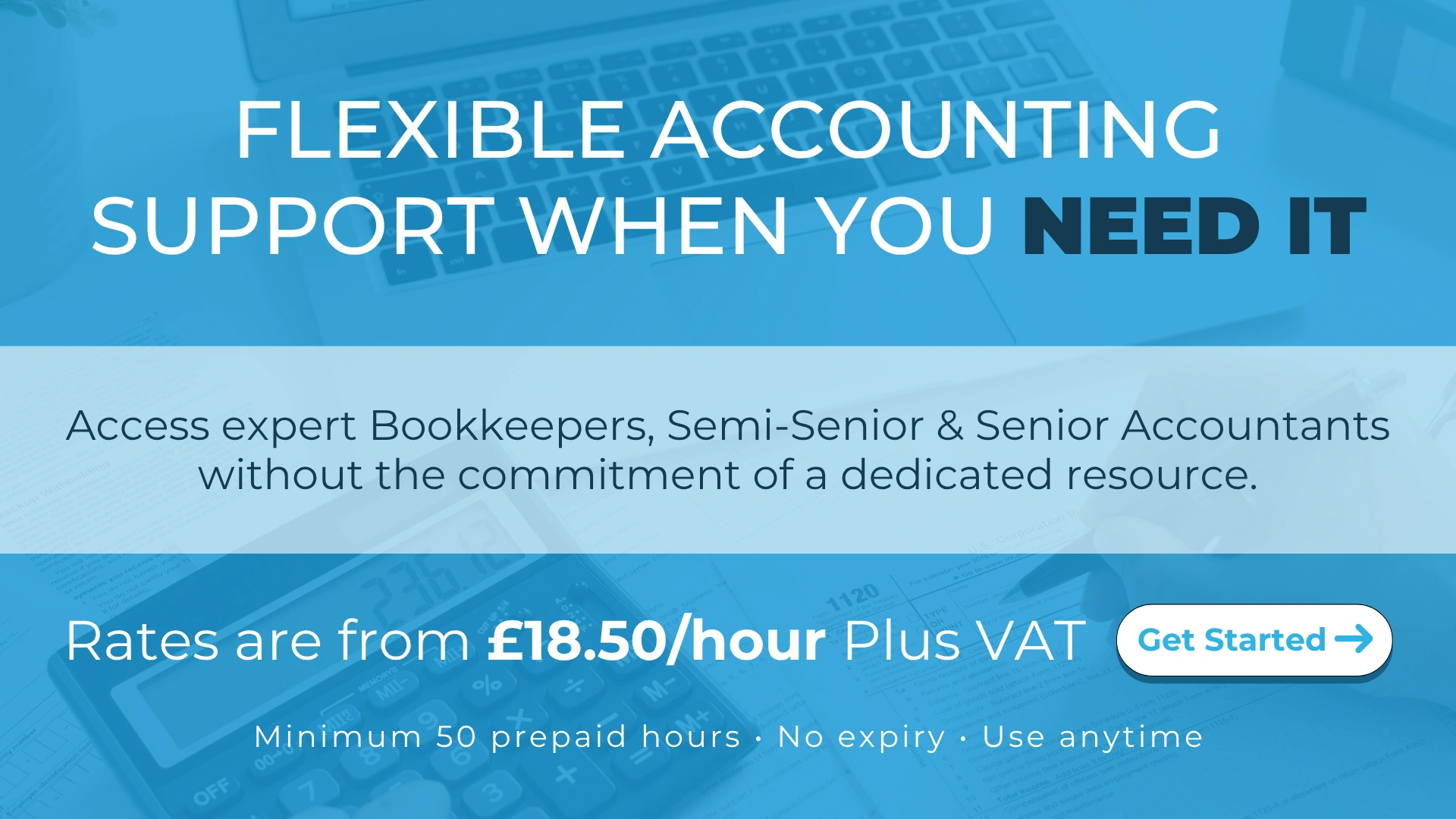
Accountants can test the outsourcing process with a small amount of work, such as digital bookkeeping or preparation of quarterly HMRC submissions. Outcomes can be evaluated for quality, technical accuracy, and turnaround consistent with in-house targets. Many offshore suppliers, including Unison Globus UK, offer a free-trial period, where accountants can test the service before entering into a contract. Accountants can also choose to access offshore capacity as and when they need it by using a pay as you go service. This maximises the flexibility to use an offshore option at peak periods or when an unexpected backlog of work occurs.
A proactive approach to MTD IT
MTD IT should not be treated as another compliance deadline to meet. It is an opportunity for accountants to review how they deliver services such as bookkeeping, tax, and client support throughout the year. By outsourcing recurring and deadline driven work, accountants can increase capacity, improve quality, and allow onshore teams to focus on higher-value services and client relationships.
How do I find out more about outsourcing MTD IT work?
At Unison Globus UK, we have been providing offshore services to accountants since 2006. Our customers include sole proprietors, as well as small and medium sized UK Accountancy Practices. Our outsourced tax, accounting and payroll services are suitable for all client engagements – from sole traders and micro businesses to SMEs and large companies. We have a dedicated MTD for Income Tax hub to help accountants decide the best outsourcing model for their practice.
We provide a free trial of up to 10 hours of accountant time, with turnaround in 72 hours. If you’re looking to outsource services for the first time, increase margins, and help your clients thrive, you can book a video call with one of our expert advisors or email us at [email protected].